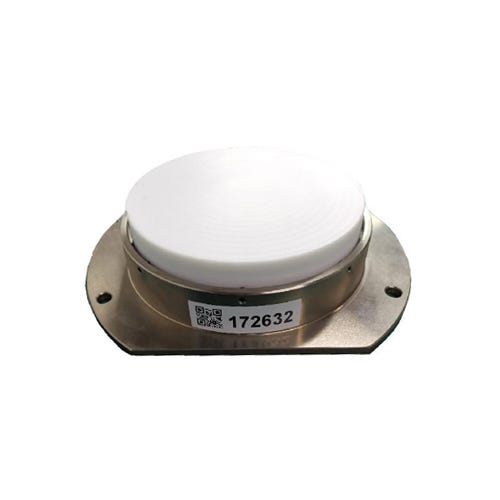
A Bluetooth gateway is a key component in IoT systems that acts as a bridge between Bluetooth devices—such as beacons, sensors, or smartphones—and the internet or backend platforms. It collects data from nearby Bluetooth Low Energy (BLE) devices and transmits it via networks like Wi-Fi, Ethernet, or cellular, enabling remote monitoring and control.
The blog explains that Bluetooth gateways typically integrate multiple modules, including a Bluetooth receiver, processing unit, and network communication interface. This allows them to scan nearby devices, aggregate data, and forward it to cloud systems for analysis or management, while also supporting two-way communication for device control.
It also highlights the wide range of applications for Bluetooth gateways, including asset tracking, smart buildings, healthcare monitoring, and industrial automation. By extending the limited range of Bluetooth and enabling centralized device management, gateways make it possible to build scalable, real-time IoT solutions.
Overall, the article emphasizes that Bluetooth gateways are essential for connecting low-power Bluetooth devices to broader networks, unlocking greater visibility, automation, and efficiency across modern IoT deployments. Read full article in Crepak
6 Types of High Temperature RFID Tags And The Applications
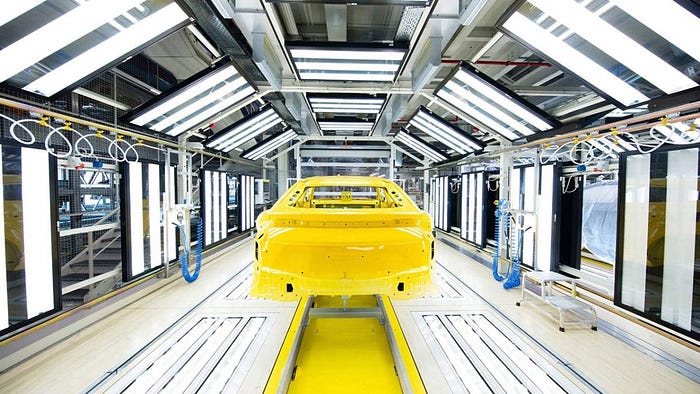
Following the revolution of automation and digitization, data becomes more and more important, including work in process data, product or equipment identity, which can not only improve efficiency, ensure process compliance, but also enable traceability to improve product quality. In the industrial field, high temperature environments exist in many scenarios, such as the SMT process in printed circuit board manufacturing, the painting and drying process, the metal smelting process, the surface treatment process, the injection molding or die casting process in the production of plastic and metal products, and the sterilization in medical treatment, oil exploitation, chemical production, etc., in these scenarios, the temperature is usually between 100 and 250 °C, and in some extreme cases, it can even be as high as 1000 °C.Traditional automatic identification and data collection methods are always not applicable to high temperature environments. As an emerging identification technology, RFID can be used for identification without the requirement of contacting and visualizing, but universal RFID tags can’t withstand high temperature environment, then high temperature RFID tags are needed, high temperature RFID tags generally adopt special chips, special chip packaging, special manufacturing process, or special packaging. Typical high temperature RFID tags are as follows.
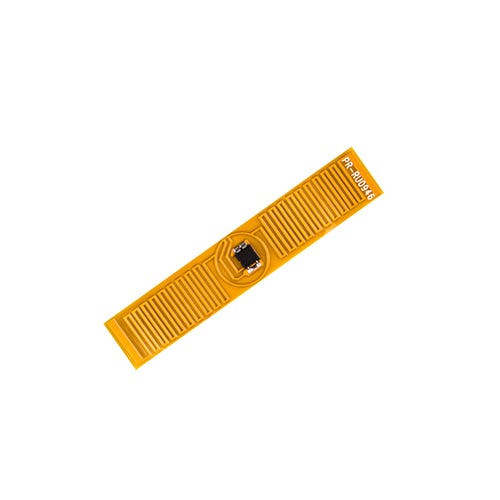
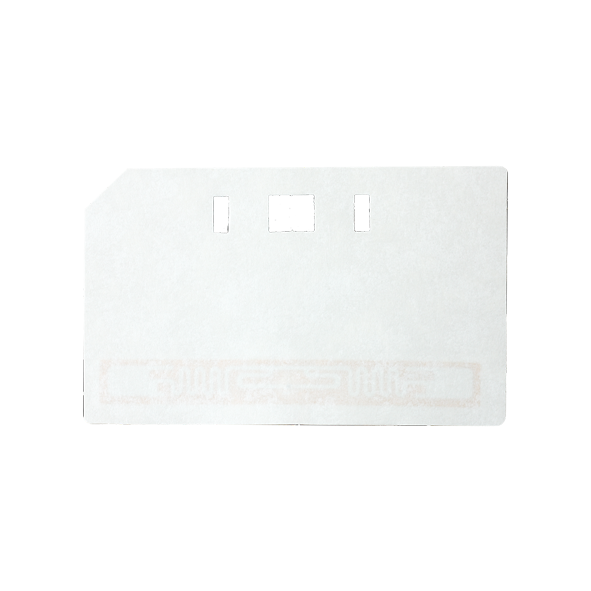
Some specially made printed circuit boards can withstand high temperatures of about 150–180 degrees in a short time. Although they are easily damaged in high temperature environments for a long time, the cost is relatively cheap. For some applications, the temperature is not high, and the duration is not long, it is an ideal choice.
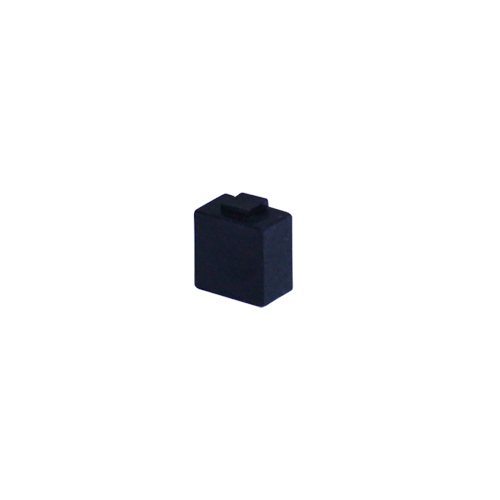
Due to the high temperature resistant properties of ceramics, Ceramic RFID Tag can withstand up to 250℃, for a longer period. At the same time, due to ceramic’s high dielectric constant, it provides excellent reading performance, but ceramic is fragile and high cost, so ceramic RFID tags are usually used in high temperature only environments, they are fixed on assets with high-temperature glue, to be used in such as surgical instrument tracking, tray management, RTIs management, etc. , When it needs to be used in harsher environments, ceramic high temperature RFID tags are usually embedded in assets and potted with high temperature glue, to be used in such as mold, fixture management, SMT process management, metal parts management, etc.
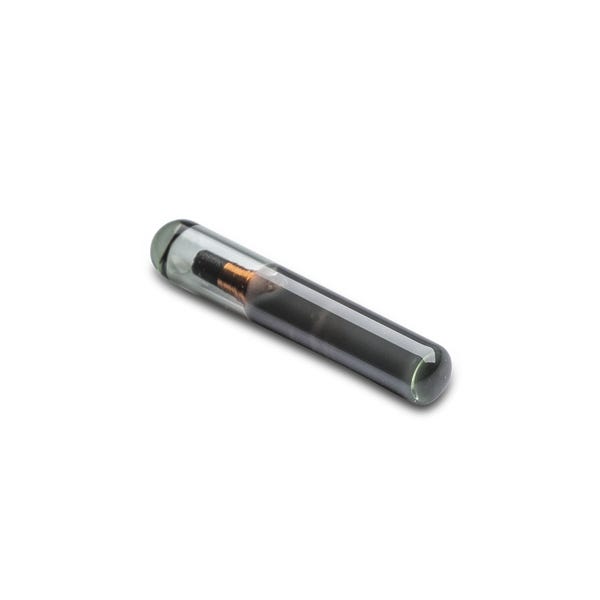
Glass has the characteristics of high temperature resistance. By improving the connection process of industrial-grade low-frequency and high-frequency RFID tag antennas and chips, and sealing them into glass tubes, these tags can be used in up to 180℃ high temperature scenarios, however, since glass is fragile and low frequency, high frequency RFID tags have a relatively short identification distance, usually, glass tube RFID high temperature tags are embedded in tools, molds or RTIs for asset management, WIP tracking, and other applications.
In the harsh industrial environment, shock, vibration, impact and even corrosion exist in addition to high temperature. PCB, ceramic and glass tube high temperature RFID tags are often unable to be used in these environments for a long time. Therefore, the above tags need to be repackaged, by using such as the use of two-color injection molding process, to ensure its vacuum inner cavity so that it can be used for a long time at high temperatures up to 280 °C. Silica, PPS, PTFE, Peek are the typical materials used for packaging.
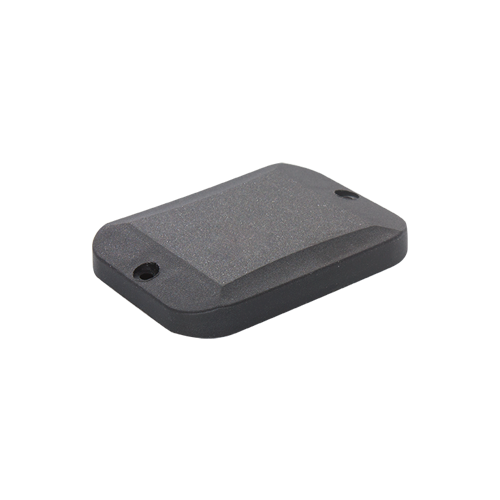
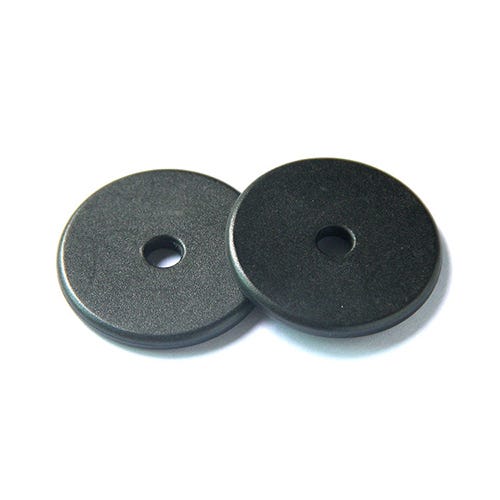
Plastic High Temperature Rfid Tag Tumbler 50P are widely used in WIP tracking, automotive and industrial product paintshop production, mold management, metal tray management, SMT management, and other scenarios
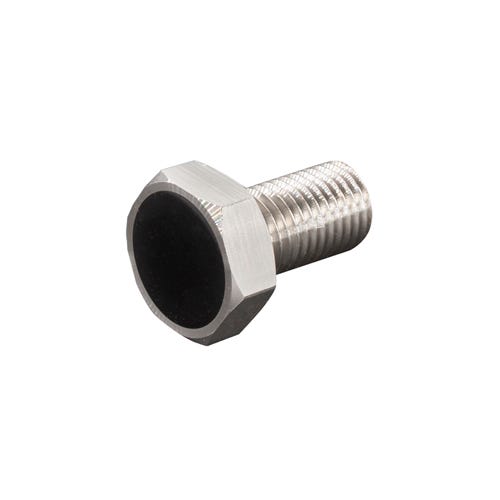
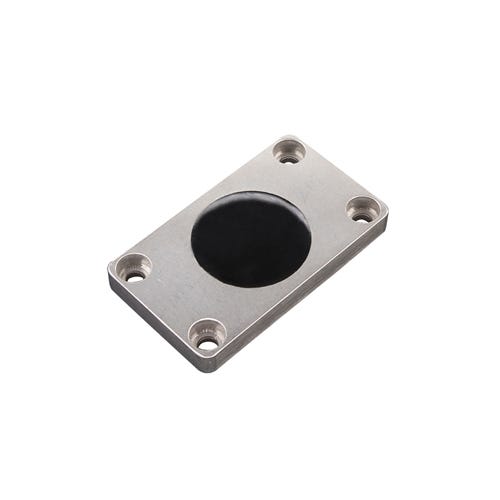
In extremely harsh industrial environments, plastic high-temperature RFID tags still cannot meet the requirements. In this case, RFID tags encapsulated with metal materials are required. The encapsulation materials are usually stainless steel, aluminum, and other metals, and the tags will be made of bolts, nameplates, and other specific form factors, adapting embedded, metal insert molding and other processes.
Metal high-temperature RFID tags are usually used in auto parts production, bicycle production process management, badminton racket production, oil drill pipe, oil pipe management and other scenarios.
The SAW tag is operating in surface acoustic wave technology, the tag chip is made of piezoelectric material other than semiconductor material. Therefore, the chip has incomparable advantages over traditional semiconductor chips and is especially suitable for use in harsh environments, such as high temperature, strong electromagnetic radiation.
Generally, SAW Ultra High Temperature RFID tags can withstand temperatures up to 400°C and can work for a long time at 350°C. By using special materials, SAW RFID tags can withstand temperatures up to 800°C.
The typical applications of SAW RFID tags are ladle tracking in steel manufacturing, asset management under high voltage environment, work in process management under strong electromagnetic interference, assets tracking in a radiation environment, etc.
Using RFID for inventory management offers several benefits, such as reduced labor costs and faster scanning. However, RFID technology also has some disadvantages, including security concerns and infrastructure requirements.
In the ever-evolving world of inventory management, there’s a constant focus on improving efficiency. Companies of all sizes are regularly evaluating their current capabilities and finding ways to squeeze as much efficiency as possible out of their existing infrastructure while preparing to adopt new technologies that can take their performance to new levels.
Now, more than ever, it is important for operations management to do their due diligence of thorough research and a proper ROI analysis to fully understand the impact that any change could have on their entire operation.
One emerging technology that has received a lot of attention with the potential to revolutionize the inventory management industry is radio-frequency identification (RFID). This article will explore the current state of RFID tag usage—including pros and cons–some insights on their utility versus the leading solution for asset tracking and inventory management (barcode labels) and a look at RFID inventory management systems.
What are RFID Tags?
The use of RFID for inventory management requires a scanner that uses radio waves to communicate with an RFID tag. The tag itself contains a microchip that allows the reader to read data and also write data to the tag for real-time updating in place. Each tag is wrapped in a material like plastic or paper for protection and can be affixed to a variety of surfaces for tracking.
The 2 Types of RFID Tags
When it comes to using RFID for inventory management, there are two different types of tags you can use.
Passive RFID Tags – Most tags used for inventory tracking are passive RFID tags, meaning they contain no battery and are powered by the waves from the readers.
Active RFID Tags – Active tags are powered, come at a higher cost, and are used for long-range tracking of machineries such as trucks and railway cars.
Pros of Using RFID for Inventory Management
Using RFID for inventory management offers several benefits, such as reduced labor costs and faster scanning. Here’s a look at how RFID tags can be a benefit in the inventory management process.
Improved visibility and faster scanning- Since RFID tags do not require a “line-of-sight” scan like barcodes, it is possible to read them at a distance for fast inventory processing. They can also be read in any orientation and give you improved visibility into your inventory with the potential for more frequent updates and scanning locations.
Reduced labor costs- With labor costs accounting for as much as 50-80% of distribution center costs, RFID offers potential benefits in this area. Inventory check-in, counting, and shipment verification can be done very quickly and automatically in a few scans without the need for multiple employees to process them. These savings must be weighed against the cost of investing in an RFID inventory solution, which we’ll discuss in more detail below.
Tracking of returnable assets- For those companies that utilize a returnable fleet of assets such as containers and pallets, there is often a significant capital investment to protect. Utilizing RFID allows you to track these assets through the entire supply chain loop and provide increased visibility on inventory locations. This has the added benefit of improving returns and reducing theft or neglect.
Cons of Using RFID Tags for Inventory Management
While there are some benefits of using RFID for inventory management, the technology also comes with several disadvantages that hinder usability and introduce other concerns, such as security. Here’s a look at the distinct disadvantages of using RFID tags for inventory management.
Inability to use cell phones as scanners- Even though there are fixed and remote RFID readers available, it is not possible to use a phone to scan them, as can be done with barcodes. This is especially limiting as it requires drivers or employees in the field to carry specific RFID readers to do any scans, and phones cannot be used as a backup if the provided readers fail.
Prohibitive costs when scaling- RFID tags cost significantly more than barcode labels. In addition, they utilize specific readers that must be purchased from the limited number of RFID equipment manufacturers. This can add significant costs when scaling these solutions with the requirement for additional specialized scanners and RFID tags.
Demanding infrastructure needs- Setup for these systems requires the integration of the readers, tags, inventory management system, network, and building wiring that can take a significant amount of time and resources to set up. In some cases, companies may need to update their inventory management system entirely, as some software platforms do not support RFID. Also, if real-time asset tracking is required, the RFID-enabled system will need to utilize GPS and cellular data to communicate, which can put a significant burden on your system.
Security concerns- While RFID systems continue to update and improve their data security, they can still be vulnerable to hacking. Remote devices, including cell phones, can sometimes be used to scan tags at close range and copy tag data. This could later be used to create a cloned tag or copy the information to another tag, a risk of particular concern in the retail industry.
While the use of RFID in inventory management offers some compelling and tangible benefits, there is a great deal of work to be done to streamline these systems. Much of the challenge involves scaling this solution in a cost-effective way while updating infrastructure enough to be able to capitalize on its greatest benefits.
RFID Tags vs. Barcode Labels: Which is Best for Inventory Management?
RFID Tags for Inventory Management
RFID can be useful for some applications, but for most companies looking for an accurate, user-friendly, and cost-effective solution for inventory management, barcode labels are a proven and trusted solution. Some barcode labels, such as Crepak inventory tags, are durable enough to withstand harsh environments in both indoor and outdoor applications and offer excellent resistance to chemicals, solvents, and abrasion.
Compared to RFID tags, barcodes are just as accurate if not better, and they can be affixed to any surface material without impacting accuracy.
In contrast, materials like metal can interfere with an RFID tag’s ability to transmit data, and liquid can hinder an RFID tag’s signal. While it’s possible to use RFID tags on metal surfaces or items, it requires the use of a special type of tag with an RFID block to prevent interference, adding to the overall cost.
How Much Does It Cost to Implement an RFID Inventory Management System?
Understanding the total cost of an RFID system implementation can be a complex undertaking as there are many expenses to consider. The largest initial cost is often the equipment, which can include readers, cabling and antennas.
Passive RFID reader systems can run about $1000 per reader and cost as much as $3000 per reader, when you factor in the cabling and other expenses such as power over Ethernet (POE) that are usually required to operate them. In the case of active reader systems, the equipment costs can be about 10 times cheaper than a passive system because they tend to be less sophisticated and complex.
Additional up-front costs can include installation, asset management software, facility modifications which can vary widely for each unique situation.
Ongoing costs for an RFID system include tags, licensing fees, and maintenance.
One of the benefits of operating a passive RFID system over the long term is the low cost of tags. Passive RFID tags only cost about 5 to 15 U.S. cents per chip, though there can be a higher cost for tags with special housings such as those that protect against interference from metal objects.
Active RFID tags generally cost between $5 and $15 each, about 100 times as much as the passive tags, because they require a local power source and more involved housing design.
How Does RFID Work in a Warehouse?
RFID Work in a Warehouse
The main difference between an active and passive RFID inventory system is the way in which the inventory tags are powered during operation, but the basic workflow in a warehouse is the same for both configurations.
Before a shipment is sent to the warehouse it will have had an RFID tag, or chip, attached to individual items or an entire pallet. This RFID tag stores important information about the item.
When the shipment arrives at the destination, each RFID tag will transmit its information to readers installed within the warehouse. These readers will have been placed in strategic locations within the receiving and storage areas to pick up the best possible signal.
The data is transmitted via electromagnetic waves and is relayed from the readers to a central warehouse management system. From there, information can be modified and sent back to the RFID tags for later recall at any time.
This gives warehouse operators the ability to perform tasks such as real-time asset counts and advanced inventory transactions.
Does RFID Increase Inventory Accuracy?
Using RFID for inventory management has been shown to improve inventory accuracy by up to 13% compared to traditional inventory tracking methods and manual inventory checks in some situations. Particularly in the retail industry, where maintaining inventory accuracy is an ongoing challenge, there are some benefits to implementing a more automated system.
In a warehouse environment, the implementation costs may outweigh the benefits in some cases. It can be beneficial in situations where a very high inventory accuracy rate is required, but there is always a balance between hardware and labor costs that should be considered.
For companies looking to adopt an inventory tracking solution, it’s important to conduct a thorough analysis of the differences between established technologies such as barcode labels and tags designed for inventory control and newer solutions like RFID to ensure that you will achieve a desirable ROI for your investment.
For most companies, barcode labels are smart and practical choices for inventory management.
Frequently Asked Questions
What is an example of RFID in inventory management?
RFID tags attached to products can track inventory through the supply chain. This provides real-time data on item location, shipment status, and stock levels. One example is Walmart: the retailer uses RFID to manage inventory at over 5,000 stores globally.
How much do RFID tags cost?
The average cost for passive UHF RFID tags is around 10-15 cents per tag when purchased in bulk orders of thousands. More advanced tags with sensors can range from 50 cents to $50 depending on capabilities.
What are benefits using RFID in warehouse management?
Key benefits of RFID in warehouses include:
Automated inventory tracking and management in real-time
Increased shipping accuracy with item-level tracking
Faster processing of receipts and shipments
Inventory visibility – RFID reduces out-of-stocks by up to 70%
Decreased labor costs by eliminating manual barcode scanning
RFID is a sophisticated wireless communication technology that utilizes radio waves to communicate with tagged items to automatically identify and track objects. By offering a highly efficient method for data collection and asset tracking, RFID Technology has become a cornerstone of modern logistics operations. An RFID system is composed of three main components, each playing a critical role in the technology’s functionality:
RFID Tags
RFID tags are small electronic devices consisting of two primary parts: a microchip and an antenna. These components work together to store and transmit data:
Microchip The microchip within an RFID tag stores a unique identifier, often referred to as a UID. This identifier is unique to each tagged item, allowing for precise tracking and differentiation among millions of items.
Antenna The antenna enables communication between the RFID tag and the RFID reader by transmitting and receiving radio waves.
RFID tags come in three types, each designed for specific applications and operational environments:
Passive Tags These tags do not have an internal power source. Instead, they are powered by the electromagnetic energy emitted by the RFID reader. Passive tags are typically smaller and less expensive, making them suitable for a wide range of applications, including inventory management and item-level tracking.
Active Tags Active tags contain an internal battery that powers the microchip and antenna. This enables them to transmit signals over greater distances, making them ideal for tracking high-value assets or items that need to be monitored over large areas, such as shipping containers or vehicles.
Semi-Passive (or Battery-Assisted) Tags Semi-passive tags have a battery that powers the microchip but rely on the RFID reader’s signal to communicate. These tags offer extended read ranges and are often used in environments where conditions might interfere with passive tags, such as locations with high metal content or water.
RFID Readers
RFID readers are devices that emit radio waves to communicate with RFID tags within their range. They play a crucial role in capturing and processing the data stored on RFID tags:
Radio Wave Emission RFID readers emit radio waves that activate the RFID tags within their proximity. The strength and frequency of these waves can vary based on the reader’s design and intended application.
Data Capture Once an RFID tag is activated, it transmits its unique identifier back to the reader. The reader captures this data and converts it into digital information that can be processed by computer systems.
Types of Readers RFID readers come in various forms, including handheld readers for mobile applications, fixed readers for stationary installations, and integrated readers for specialized uses. The choice of reader depends on factors such as read range requirements, environmental conditions, and the specific logistics application
Middleware and Backend Systems
The third component of an RFID system is the middleware and backend systems that process the data collected by RFID readers. This software layer is essential for transforming raw data into actionable insights:
Data Processing Middleware acts as an intermediary between RFID readers and enterprise systems. It collects data from multiple readers, filters and processes the information, and ensures that only relevant data is forwarded to backend systems.
Integration Middleware integrates RFID data with existing enterprise systems, such as Warehouse Management Systems (WMS), Enterprise Resource Planning (ERP) systems, and Transportation Management Systems (TMS). This integration allows for seamless data flow and enhances the overall efficiency of logistics operations.
Analytics and Reporting Advanced middleware solutions provide analytics and reporting capabilities. By analyzing RFID data, businesses can gain valuable insights into their supply chain performance, identify trends, and make data-driven decisions to optimize operations.